
Pacific Crest Trail Gear Checklist
The PCT crosses deserts, high Sierra passes, and the volcanic Cascades. Gear must handle dry heat, snow travel, river crossings, and long resupply stretches.
~2,650 miles
Western US: Mexico to Canada
Strenuous
Northbound: late Apr–Sep; SOBO: Jun–Oct
Season & weather
Southern California is hot and dry; the Sierra can hold snow into July with afternoon thunderstorms; the North is wet and cool. Carry sun protection for the desert and traction/snow gear for the Sierra.
Field Kit
Pack listEssential Field Kit
0 of 42 items packed, 0% complete
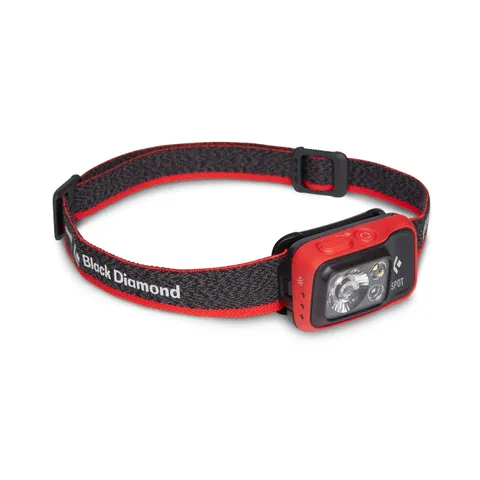
Even on day hikes, darkness can surprise you.
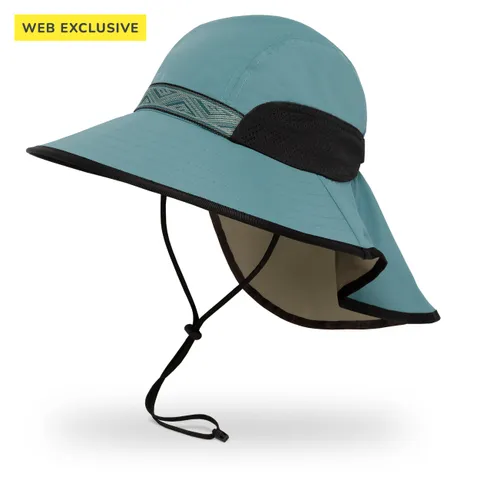
SPF 30+ and UV-blocking sunglasses are the baseline.
Customize it for your group size, trip length, and known allergies.
Useful for repairs, food prep, and emergencies.
Store in a waterproof container.
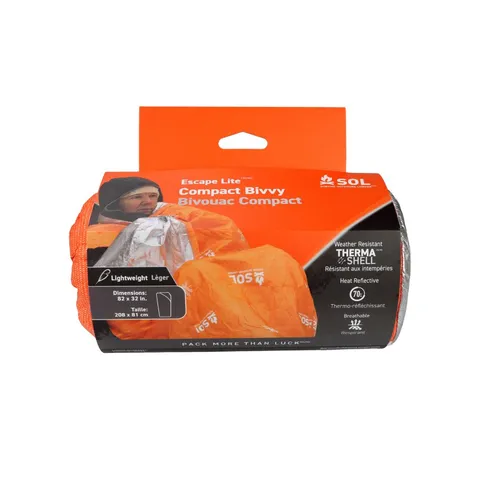
A compact barrier against wind and rain.
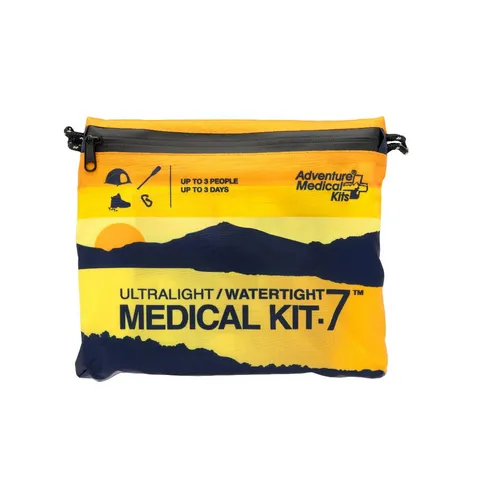
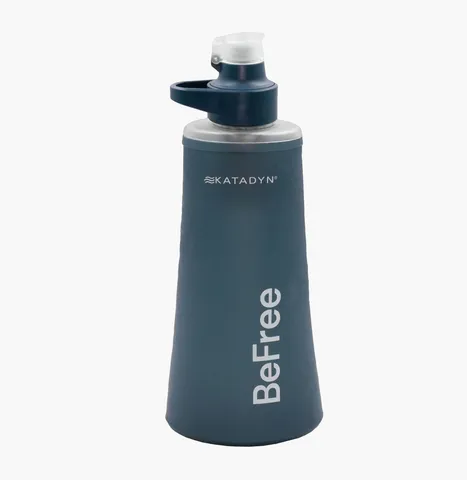
Carry more than you think you need and know how to treat it.
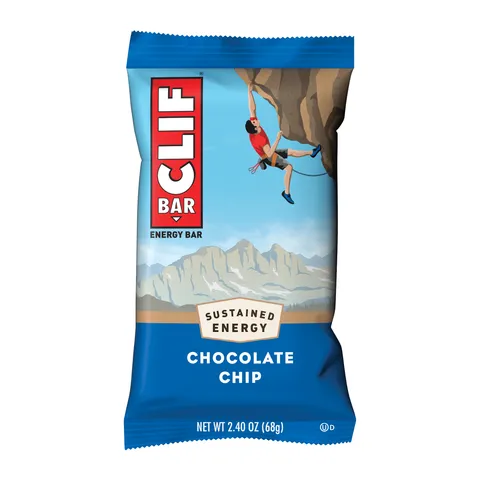
High-calorie, no-cook snacks for unplanned hours.
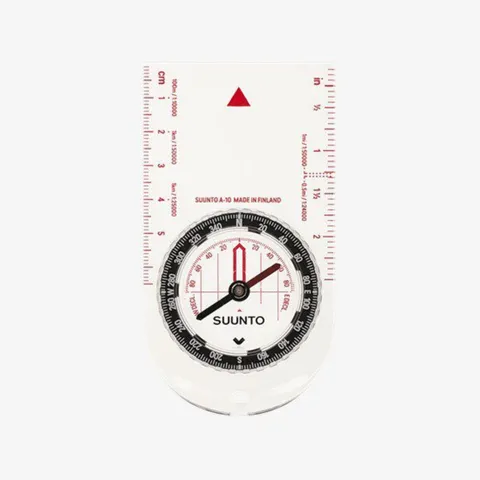
Conditions change fast in the mountains.
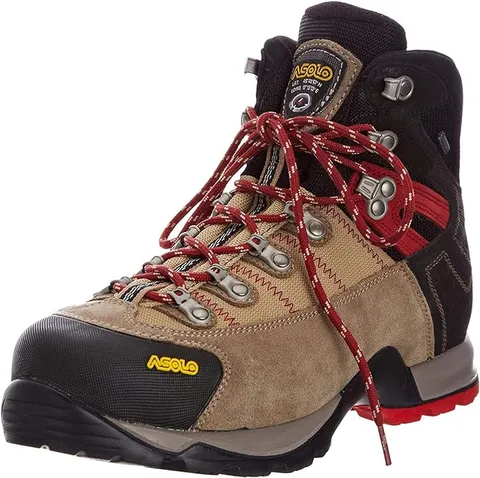
Break them in before long miles.
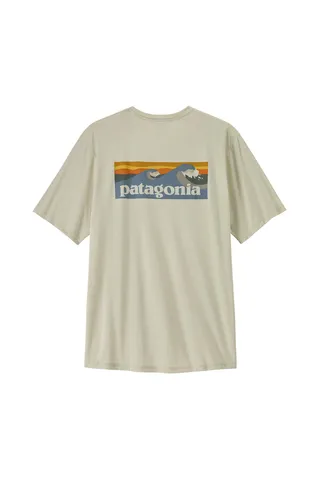
Wool or synthetic; avoid cotton.
Long-sleeve top and bottoms for cool starts.
Warmth without the bulk.
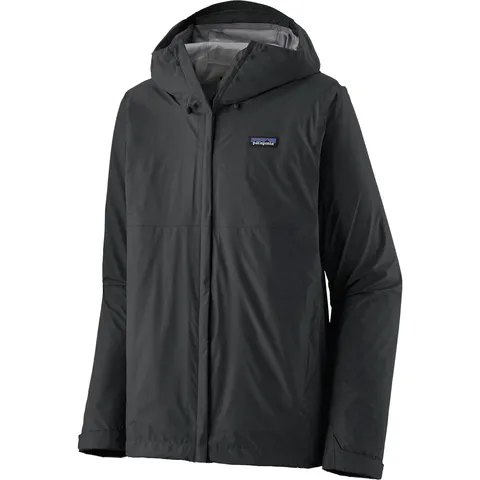
Breathable hardshell or lightweight poncho.
Match the season and expected exposure.
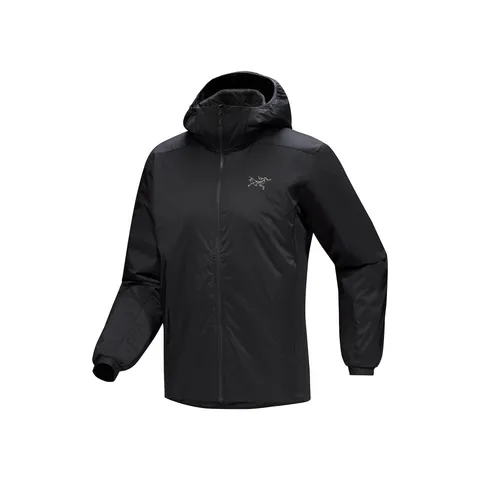
Lightweight for cool mornings; insulated for cold.
Keep debris, snow, and water out of your boots.
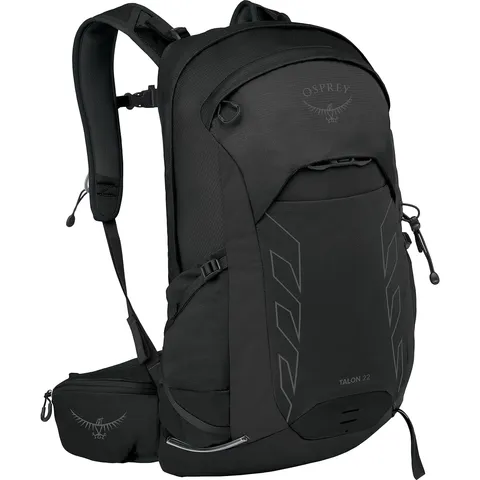
Day hikes: 10–25 L. Multi-day: 50–65 L.
Save knees on descents and add stability.
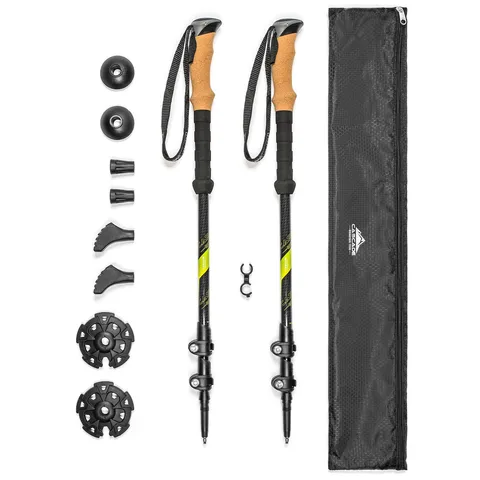 Top pickCascade Mountain Tech Carbon Fiber Quick Lock Trekking Poles$60View at Cascade Mountain Tech
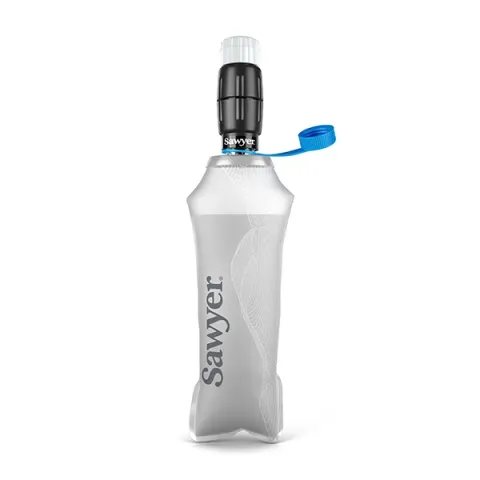
3 L capacity for strenuous days.
Essential where sources are untreated.
Keep sleep gear and electronics dry.
A few grams that prevent a trip-ending failure.
Required in many areas; rent or buy before the Sierra.
Snowbound passes demand them; practice self-arrest before you need it.
Southern California carries can run long between sources; many hikers carry 4-6 L.
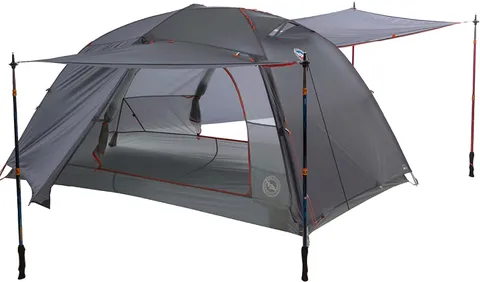
Pitch it at home first; split the load in a group.
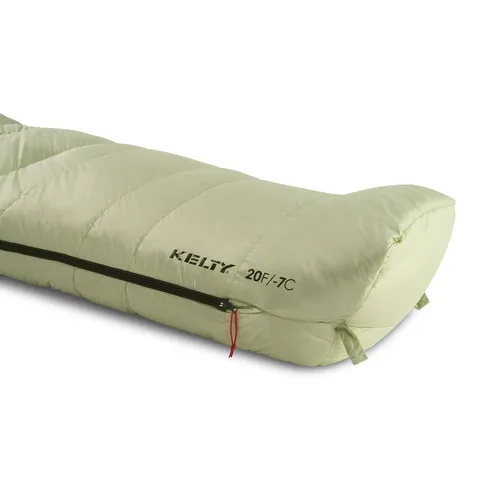
Judge by the comfort rating, not the limit rating.
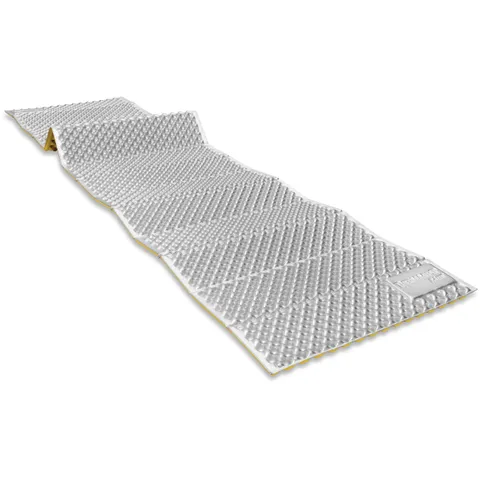
Ground insulation matters as much as cushioning.
Wind picks up after dark; stake your shelter out fully.
Eat small amounts often to keep energy steady.
Dehydrated meals are light; cold-soak cuts fuel weight.
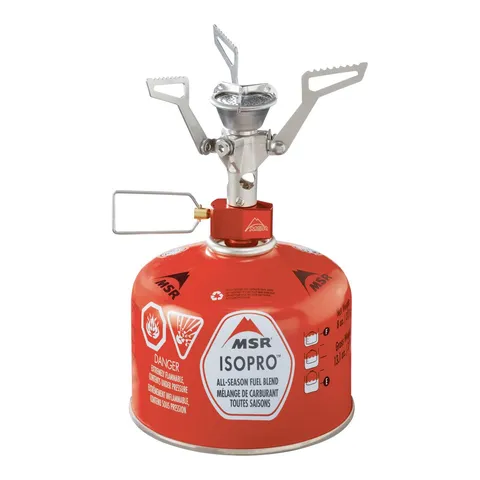
Canister stoves are simple; liquid fuel works in the cold.
Titanium or plastic; leave the heavy kitchen kit home.
Replenish salts on hot, sweaty days.
Three blasts is a universal distress signal.
Helps rescuers spot you from the air.
Compact insurance against an unplanned night out.
Include antihistamines and any prescriptions.
Useful for trail towns and emergencies.
Include your route, expected return, and who to call.
25 items above show a top pick from the loadout builder catalog, matched to the hiker you chose there.
More Trails
All trailsAppalachian Trail
The AT is a long-distance footpath through changing forests, humid summers, cold snaps, and frequent rain. Gear needs to balance weight with the ability to handle wet, rooty, and sometimes rocky terrain for months.
Continental Divide Trail
The CDT is the highest, most remote, and most variable of the Triple Crown trails. Navigation, water planning, and weather protection are more important here than on most trails.
Camino de Santiago
The Camino is a network of pilgrimage routes with frequent towns, albergues, and cafés. You can go lighter than a wilderness thru-hike, but rain and long days on hard surfaces are real factors.