
Day Hiking Gear Checklist
A lighter, focused checklist for day hikes. The Ten Essentials still apply, but the quantities and shelter needs are scaled down.
Usually under 15 miles
Any trailhead
Variable
Year-round
Season & weather
Check the hourly forecast. Pack a rain layer even on sunny days, and bring extra water if temperatures are high or shade is limited.
Field Kit
Pack listEssential Field Kit
0 of 27 items packed, 0% complete
Even on day hikes, darkness can surprise you.
SPF 30+ and UV-blocking sunglasses are the baseline.
Customize it for your group size, trip length, and known allergies.
Useful for repairs, food prep, and emergencies.
Store in a waterproof container.
Carry more than you think you need and know how to treat it.
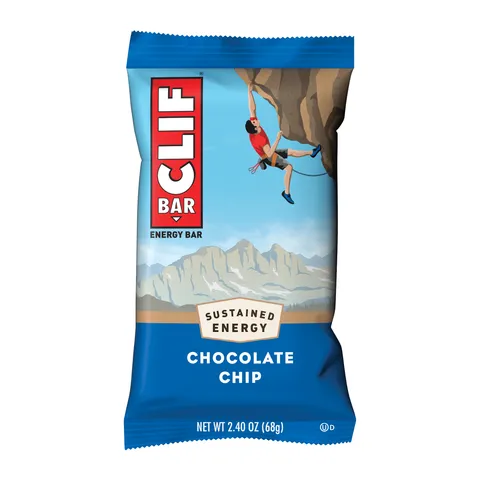
High-calorie, no-cook snacks for unplanned hours.
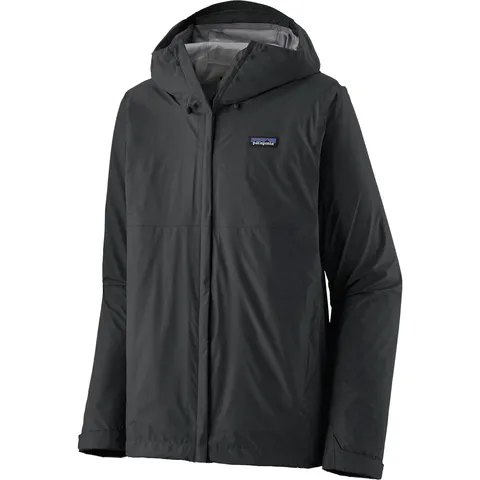
Conditions change fast in the mountains.
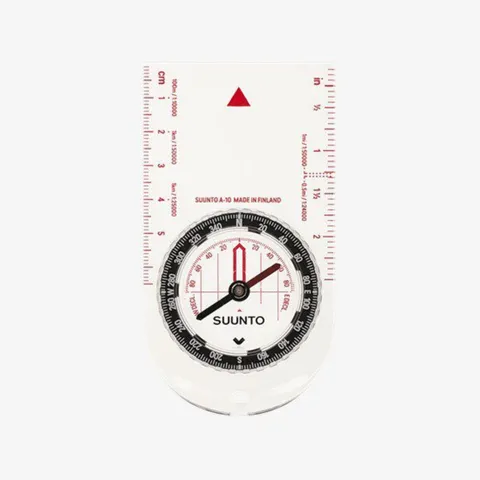
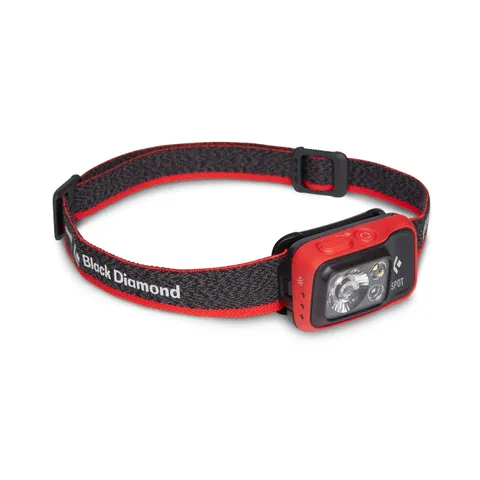
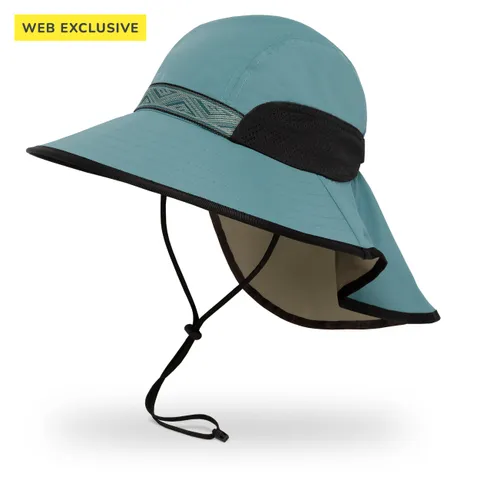
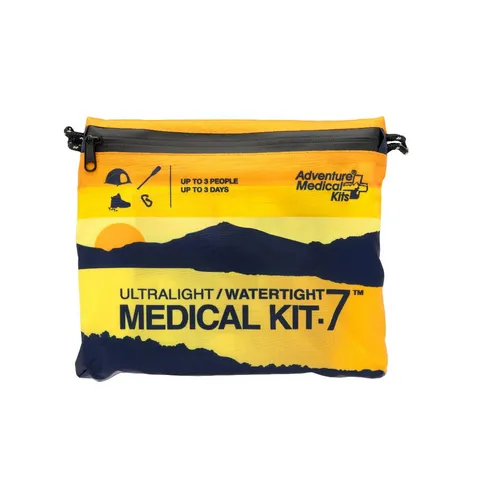

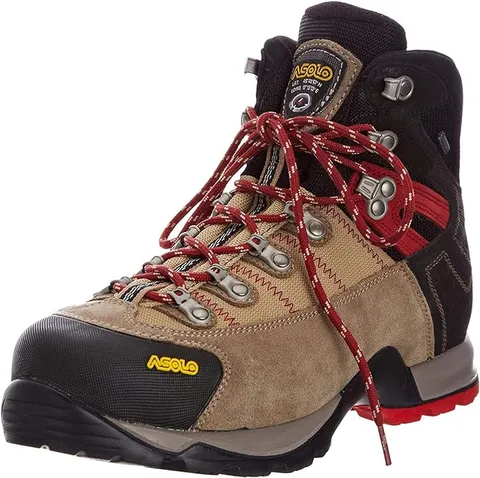
Comfortable, broken-in, and suited to terrain.
Bring a dry backup for stream crossings or rain.
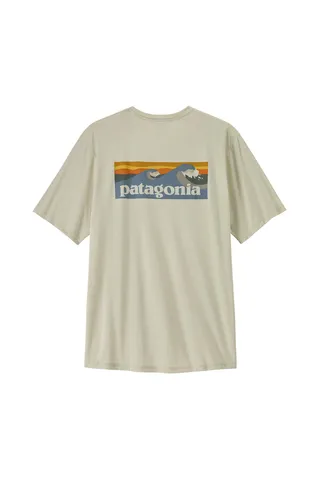
Long sleeves add sun and bug protection.
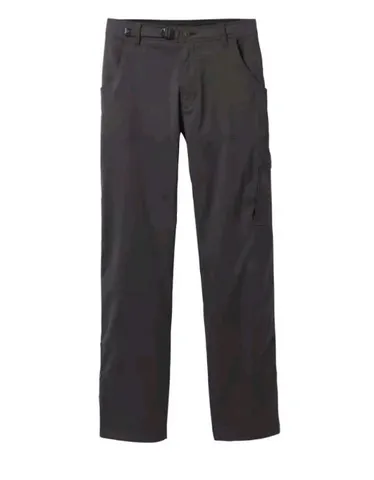
Convertible pants handle changing temps.
Mountain weather can flip in minutes.
Brimmed hats beat caps for neck coverage.
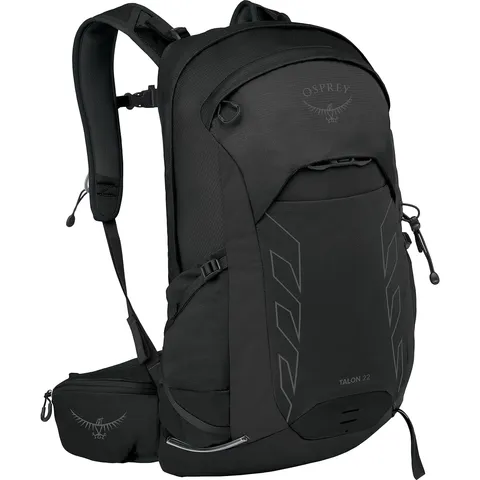
Enough room for water, layers, and food.
Carry at least 2 L; more in heat.
Great for steep or uneven trails.
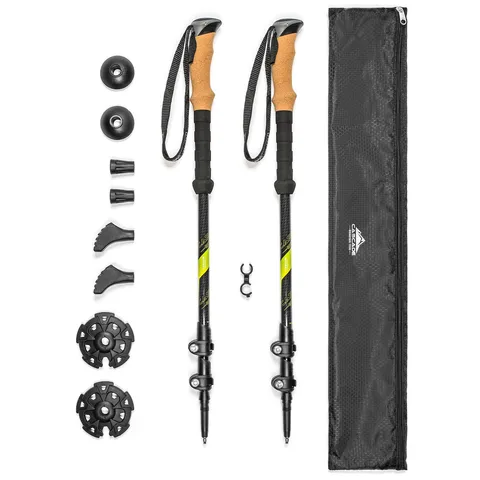 Top pickCascade Mountain Tech Carbon Fiber Quick Lock Trekking Poles$60View at Cascade Mountain Tech
Even on short hikes, delays happen.
Muddy lunch spots happen.
Eat small amounts often to keep energy steady.
Replenish salts on hot, sweaty days.
Bandages, antiseptic, blister care, pain reliever.
Louder and more reliable than shouting.
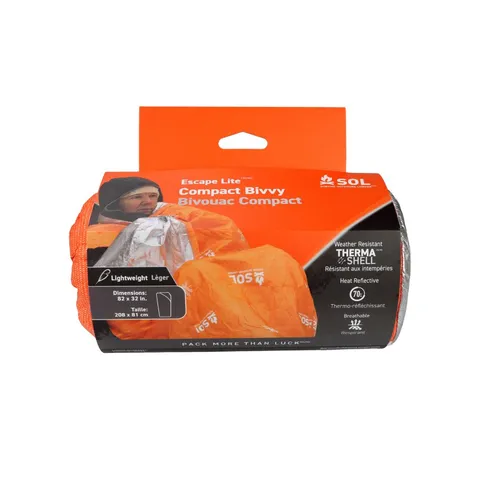
For warmth or signaling if stranded.
Weighs almost nothing, buys survival time.
Text your route and return time.
19 items above show a top pick from the loadout builder catalog, matched to the hiker you chose there.
More Trails
All trailsAppalachian Trail
The AT is a long-distance footpath through changing forests, humid summers, cold snaps, and frequent rain. Gear needs to balance weight with the ability to handle wet, rooty, and sometimes rocky terrain for months.
Pacific Crest Trail
The PCT crosses deserts, high Sierra passes, and the volcanic Cascades. Gear must handle dry heat, snow travel, river crossings, and long resupply stretches.
Continental Divide Trail
The CDT is the highest, most remote, and most variable of the Triple Crown trails. Navigation, water planning, and weather protection are more important here than on most trails.