
Camino de Santiago Gear Checklist
The Camino is a network of pilgrimage routes with frequent towns, albergues, and cafés. You can go lighter than a wilderness thru-hike, but rain and long days on hard surfaces are real factors.
~500 miles (Camino Francés); many shorter routes
Northern Spain
Moderate
Apr–Jun and Sep–Oct
Season & weather
Spring and fall can be rainy and cool; summer is hot and dry, especially across the Meseta. Pack a light rain jacket, layers, and sun protection. Many albergues require a sleeping bag liner.
Field Kit
Pack listEssential Field Kit
0 of 29 items packed, 0% complete
Even on day hikes, darkness can surprise you.
SPF 30+ and UV-blocking sunglasses are the baseline.
Customize it for your group size, trip length, and known allergies.
Useful for repairs, food prep, and emergencies.
Carry more than you think you need and know how to treat it.
High-calorie, no-cook snacks for unplanned hours.
Conditions change fast in the mountains.
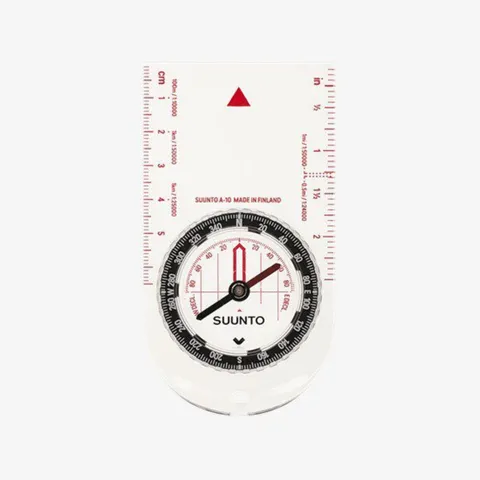
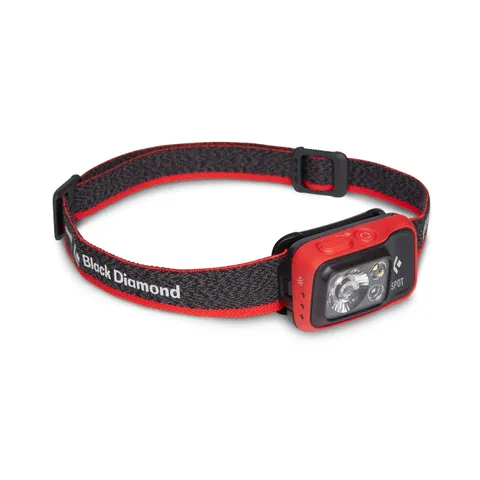
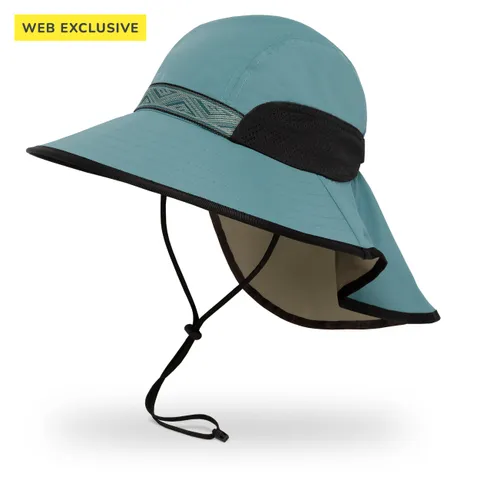
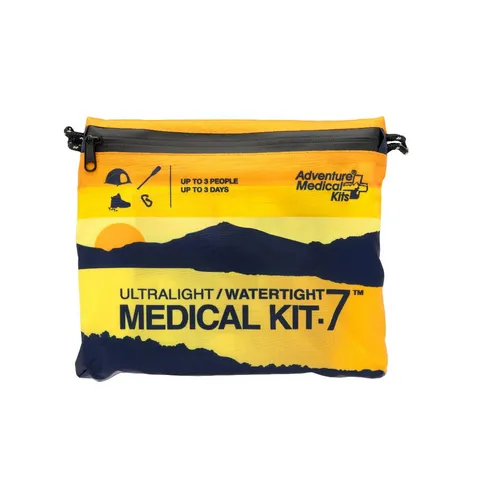
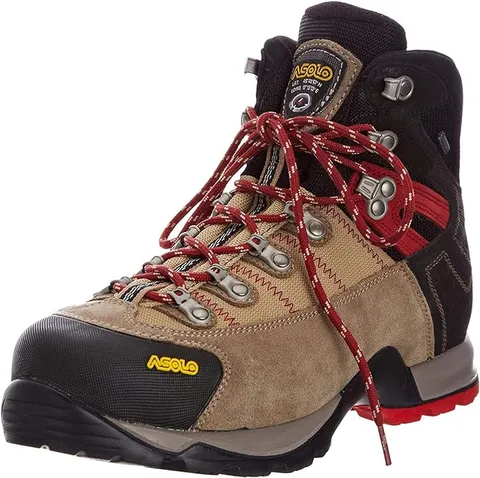
Break them in before long miles.
Wool or synthetic; avoid cotton.
Long-sleeve top and bottoms for cool starts.
Warmth without the bulk.
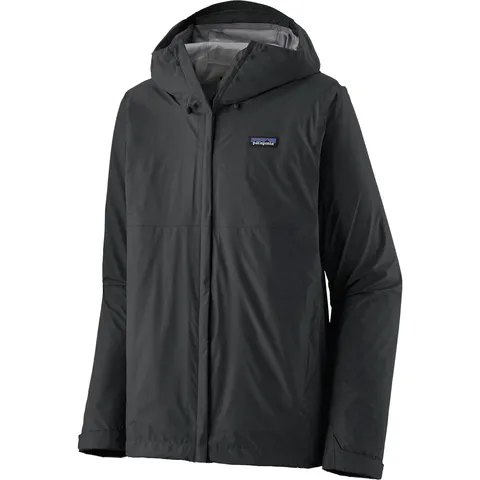
Breathable hardshell or lightweight poncho.
Match the season and expected exposure.
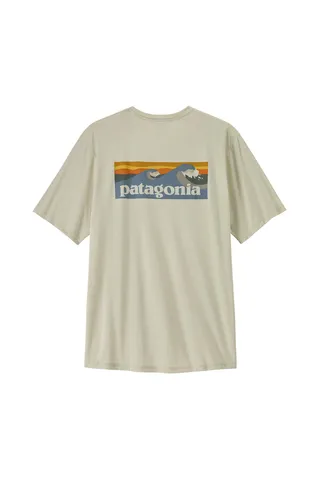
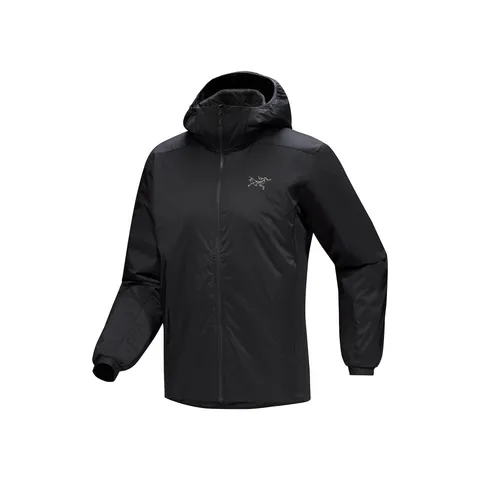
You do not need a full wilderness loadout.
Required or recommended in many albergues.
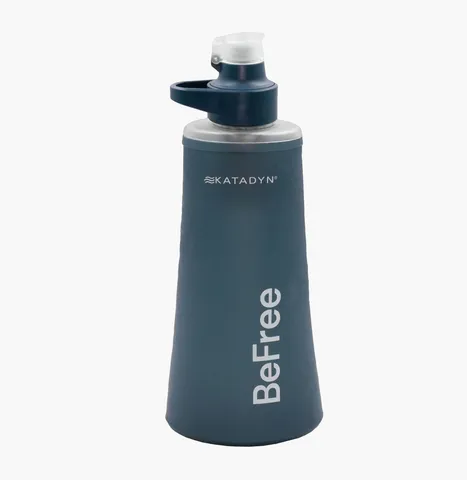
Refill in towns; carry 1–2 L between stops.
Needed for albergues and the Compostela; collect stamps along the way.
Albergue dorms are shared; sleep is worth a few grams.
For evenings in town and shared showers.
Albergues rarely provide one.
Travel soap and a few pins; wash and dry clothes overnight.
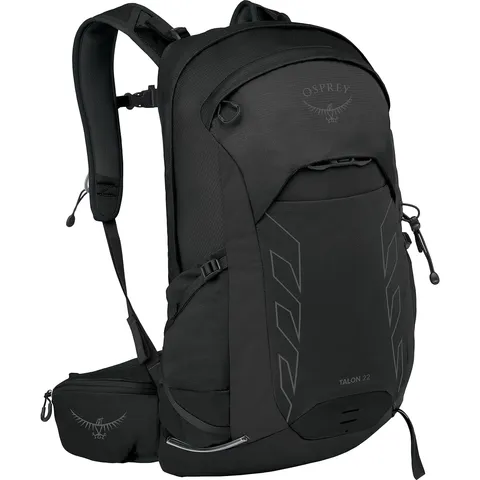
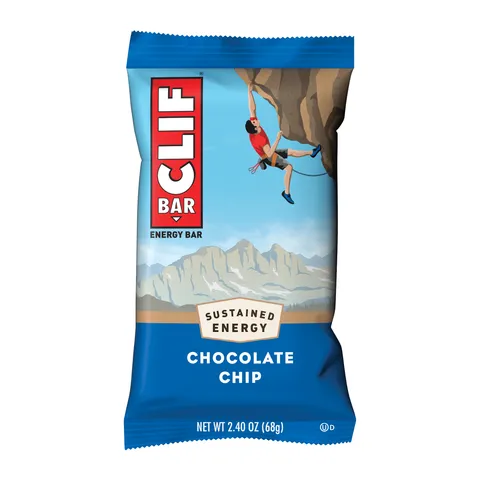
Eat small amounts often to keep energy steady.
Dehydrated meals are light; cold-soak cuts fuel weight.
Replenish salts on hot, sweaty days.
Three blasts is a universal distress signal.
Include antihistamines and any prescriptions.
Useful for trail towns and emergencies.
Include your route, expected return, and who to call.
17 items above show a top pick from the loadout builder catalog, matched to the hiker you chose there.
More Trails
All trailsAppalachian Trail
The AT is a long-distance footpath through changing forests, humid summers, cold snaps, and frequent rain. Gear needs to balance weight with the ability to handle wet, rooty, and sometimes rocky terrain for months.
Pacific Crest Trail
The PCT crosses deserts, high Sierra passes, and the volcanic Cascades. Gear must handle dry heat, snow travel, river crossings, and long resupply stretches.
Continental Divide Trail
The CDT is the highest, most remote, and most variable of the Triple Crown trails. Navigation, water planning, and weather protection are more important here than on most trails.